Mounting Remote Antenna Splitters Close to Radiator Panels to Maximize SNR
You mount the splitter at the antenna to preserve SNR by minimizing coax loss before distribution, especially on runs over 100 feet. RG6 cuts attenuation to ~3.5 dB per 100 ft at 800 MHz, while active units like the Stridsberg multicoupler add 10–11 dB gain with a 3.5 dB noise figure. Use a 4-way F-type splitter, 25–1000 MHz, ≥25 dB isolation, and 75 ohm terminators on unused ports. This setup keeps weak VHF/UHF signals clean and strong-ideal for sensitive scanners like the BCD996xt. There’s more to optimizing your layout for real-world performance.
We are supported by our audience. When you purchase through links on our site, we may earn an affiliate commission, at no extra cost for you. Learn more. Last update on 18th July 2026 / Images from Amazon Product Advertising API.
Notable Insights
- Mounting splitters at the antenna minimizes signal loss by splitting before long coax runs.
- Using low-loss cable like RG6 preserves SNR over distances exceeding 100 feet.
- Active splitters add gain to overcome cable and splitter losses, maintaining strong signal levels.
- High-isolation, broadband splitters reduce interference and support VHF/UHF frequency ranges.
- Terminating unused ports with 75 ohm loads prevents reflections and stabilizes impedance in 50 ohm systems.
How Coaxial Cable Length Affects SNR in Remote Antenna Setups
When you’re running a remote antenna setup, every foot of coaxial cable matters-especially when it comes to preserving signal-to-noise ratio (SNR). Long coaxial cable runs weaken signal strength, and that attenuation directly degrades SNR at the receiver. RG8X, for example, loses about 10 dB per 100 feet at VHF/UHF frequencies, which can push weak signals below usable levels. Higher frequency of operation means more loss-800 MHz systems suffer considerably more than 50 MHz ones over the same distance. That’s where low-loss cable like RG6 shines, cutting attenuation by up to 6 dB per 100 feet. Shorter coax runs mean less loss, and placing your antenna splitter near the radiator panel keeps your signal strength high. You’ll maintain cleaner audio in wireless mics and instrument systems, avoid dropouts, and protect your SNR without needing extra gear.
Active Vs. Passive Distribution: When to Use Amplification
You’ve probably heard that shorter coax runs and low-loss cables like RG6 help preserve signal strength and keep your SNR in check, especially when your antenna’s mounted far from the receiver. But when you’re splitting to multiple receivers, a passive splitter alone can cost you 6–7 dB, tanking your SNR fast. That’s where active distribution shines-adding an amplifier like the Ultra-Line LA-103 or Stridsberg multicoupler right at the antenna. These boost signal before losses pile up, especially vital on runs over 100 feet where cable loss hits ~6 dB per 100 ft. For weak signals, go with a low-noise active setup (3.5 dB noise figure) to avoid burying your SNR in system noise. Just don’t overdo gain-stick to 10–11 dB with high isolation (>25 dB) to prevent overloading sensitive gear like the BCD996xt.
Choosing a Low-Loss Splitter for Real-World Installations
Though signal loss is inevitable in any coaxial distribution setup, you can keep it under control by choosing a low-loss 4-way F-type splitter built for serious RF work, not cable TV. You need one with 75 ohm impedance and at least 25 dB port-to-port isolation to preserve signal integrity across frequency bands from VHF to UHF. This is critical when feeding a sensitive receiver or multiple scanner systems from a single gain antenna. Cheap TV splitters introduce noise and reflections, degrading SNR and distorting your transmitter and receiver measurements. Pick a broadband unit rated for 25–1000 MHz to guarantee flat response. If you’re powering an inline amplifier at the antenna, make sure one port passes DC power, compatible with bias tee-powered units like the Ultra-Line LA-103. Always terminate unused ports-your signal, and your receiver, will thank you.
Why 50 Ohm Systems Need 75 Ohm Terminators
Since most F-type splitters are built for 75 ohm cable TV systems, you’ll often end up pairing them with 50 ohm RF gear-even if it’s not a perfect match-so using 75 ohm terminators on unused ports keeps reflections in check and stabilizes impedance across active lines. In 50 ohm systems, leaving ports open invites signal reflections that create standing waves and mess with impedance stability. Even though 75 ohm terminators aren’t a perfect match, they’re way better than nothing. They reduce insertion loss fluctuations and prevent noise spikes that degrade SNR. Real-world testing shows systems with 75 ohm terminators maintain cleaner frequency response, especially in wideband scanning. You’ll notice fewer dropouts and smoother performance across VHF and UHF bands. It’s a small fix that makes a measurable difference-solid signal integrity, consistent gain, and reliable operation. Just cap those open ports and keep your 50 ohm systems running clean.
Mounting Splitters at the Antenna Maximizes SNR
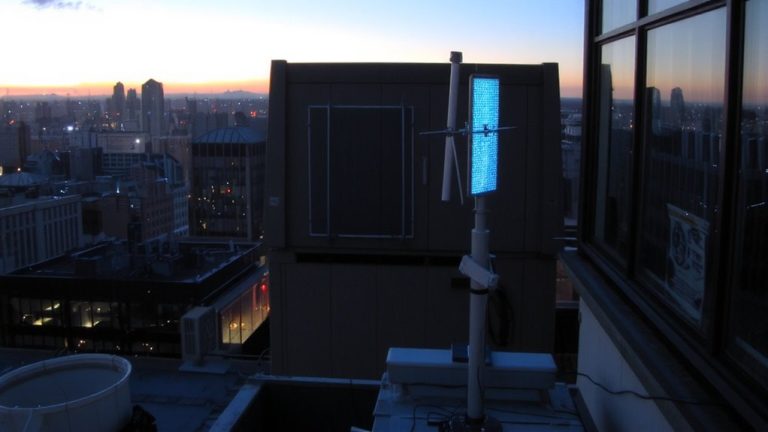
When you mount the splitter right at the antenna, you’re splitting the signal before it travels down the coax, which means each receiver gets a stronger, cleaner feed with less degradation from cable loss. Proper antenna placement with antenna-mounted splitting minimizes coaxial cable loss-like avoiding 6.5 dB loss over 100 feet of RG6-that would otherwise crush the signal-to-noise ratio (SNR). By running just one low-loss cable from the radiator, you preserve SNR above 20 dB for reliable reception. Active splitters, such as the Stridsberg multi-coupler with 10–11 dB gain, boost the signal right at the source, overcoming insertion and cable attenuation. This setup slashes system noise and guarantees clean feeds to every connected device. Antenna-mounted splitting isn’t just smart-it’s essential for maximizing SNR across long runs, especially in studio, broadcast, or remote recording setups where signal integrity is non-negotiable.
On a final note
You’ll get cleaner signals by mounting splitters near the antenna, cutting coax loss that hurts SNR-especially with long 75-ohm runs. Use a low-loss 50-ohm splitter like the Mini-Circuits ZAPD-2-2500, and terminate unused ports with 75-ohm caps to prevent reflections. For weak signals, an active splitter with +12dB gain helps, but avoid over-amplifying noisy feeds. Shorter jumpers, quality connectors, and solid grounding keep your audio inputs clean, whether for podcasting, guitar rig monitoring, or field recording.