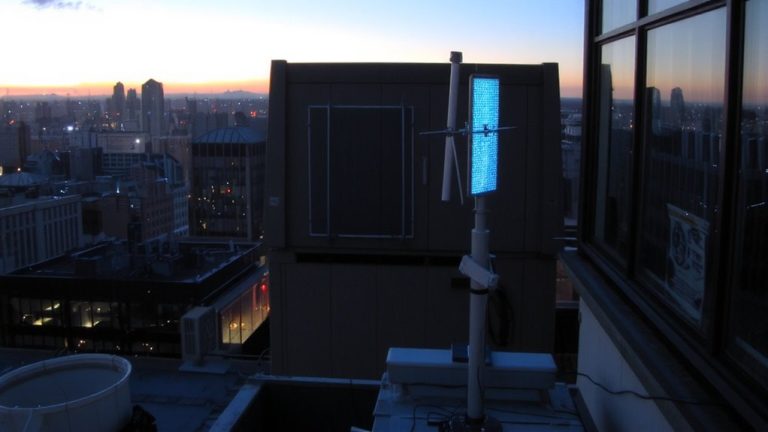
Educating Artists About Safe Operating Distance From Active Transmit Antennas
You’re responsible for staying 3 feet clear of all active antennas on set, especially high-gain Yagis or parabolic dishes that focus RF energy like a studio condenser mic captures vocals. Transmitter power, frequency, and antenna gain determine exposure risk, with higher EIRP narrowing safe zones. Always assume antennas are live during shoots. Obey warning signs, respect marked barriers, and never bypass secured ladders. Confirm shutdown before servicing gear-it keeps your signal clean and your body safer. Next steps reveal how crews map exact hazard boundaries using real-time RF meters and site surveys.
We are supported by our audience. When you purchase through links on our site, we may earn an affiliate commission, at no extra cost for you. Learn more. Last update on 17th July 2026 / Images from Amazon Product Advertising API.
Notable Insights
- Always maintain a minimum 3-foot clearance from active antennas to avoid harmful RF exposure.
- Treat every antenna as live, even if it appears inactive, due to invisible but dangerous RF emissions.
- High-gain directional antennas focus energy in narrow beams, increasing risk within 3–5 feet.
- Observe posted warning signs and physical barriers marking RF hazard zones near transmitting equipment.
- Request authorized shutdown before approaching any antenna, especially high-power microwave or whip types.
Why Safe Distance From Antennas Matters
Think of radiofrequency energy like an invisible amplifier hum-just because you can’t see or hear it doesn’t mean it’s not powerful. You’re likely focused on tone, signal flow, and mic placement, but RF energy from high-gain antennas can interfere with gear and your health. This electromagnetic energy, especially near active antennas, poses real risks-thermal effects may harm sensitive tissues like eyes and testes. Antennas operating at any transmit frequency can exceed Federal Communications Commission (FCC) safety limits within 3 feet. That’s why maintaining safe operating distances is non-negotiable. Assume all rooftop antennas are live, even if silent. Barriers like reflective tape or fiberglass fences mark danger zones where RF exposure surpasses MPE standards. Staying clear guarantees both your performance and well-being stay in tune.
How Power and Frequency Set Safe Distances
While you’re dialing in gain staging or positioning a DI box, don’t overlook how transmitter power and frequency actively shape safe distances around antennas. Higher RF power and antenna gain boost effective isotropic radiated power (EIRP), increasing power density in electromagnetic waves near the source. That means even a few feet too close can exceed Federal Communications Commission (FCC) exposure limits. As frequency rises, say into millimeter-wave bands, beamwidth narrows, focusing energy like a spotlight. For directional antennas-think Yagis or parabolic dishes-this concentrated RF lobe can surpass FCC MPE thresholds within just 3 to 5 feet at high settings. You’ve got to factor in transmitter output (watts), Frequency (GHz or MHz), and antenna gain (dBi) when judging safe zones. The FCC’s frequency-specific power density rules, like 1 mW/cm² for 30–300 MHz, guide these real-world decisions.
How RF Hazard Zones Are Marked On Set
Safety starts with visibility-on set, RF hazard zones are clearly marked using both physical and visual barriers to keep everyone within FCC exposure limits. You’ll see warning signs posted at access points, alerting you to dangerous radio frequency (RF) levels from active antennas emitting a carrier signal. Indicative barriers like reflective tape, paint, or fiberglass fences outline restricted free space where RF levels exceed safe thresholds. Locked doors or secured ladders act as physical blocks, ensuring only trained personnel enter high-RF areas. These RF hazard zones are calculated based on power output and antenna type, maintaining at least 3 feet of clearance around each unit. Assuming all antennas are active, these markings protect you during live shoots or audio setups near transmitters. Recognizing these signs and barriers helps prevent overexposure while keeping your focus on sound quality, not safety risks.
Rules for Staying Safe Near Active Antennas
You’ve seen how RF hazard zones are marked on set, with clear signage and physical barriers outlining areas where exposure levels exceed FCC limits, and now it’s time to focus on the rules that keep you protected when working near active antennas. Radio frequency (RF) energy is a form of electromagnetic radiation used across many frequency bands on set, and exposure to high levels can be harmful. Always maintain at least 3 feet of clearance from antennas, since RF levels rise sharply nearby. Never stand in front of active panel or Yagi antennas-they direct intense energy forward. Assume all antennas are active, even if they look idle. Obey warning signs and barriers marking high-exposure zones. For work near microwave or whip antennas, notify authorized personnel and request shutdowns before proceeding.
| Rule | Purpose |
|---|---|
| Stay 3+ feet away | Avoid high RF energy exposure |
| Never face active antennas | Avoid directional RF beams |
| Assume all are active | Prevent accidental exposure |
| Obey signs and barriers | Stay outside MPE zones |
| Request shutdowns | Safely approach high-power antennas |
On a final note
You’ve got to respect RF exposure zones on set, especially near active transmitters, and keep guitar amps, audio interfaces, and bass rigs at least 10 feet from antennas when possible, since power and frequency directly impact safe distances; always check signage, use battery-powered gear when close, and rely on shielded cables like Mogami or Hosa to prevent interference-staying safe means staying smart, and your signal chain stays clean, too.