Why MIDI Processing Devices Expand Controller Functionality
You get way more from your MIDI controller when you use processors like the iConnectivity MioXL or MIDI-X, because they let you split signals to four pedals at once, remap notes on the fly, scale velocity for smoother keyboard dynamics, and transform simple triggers into full chords or expression data, all while maintaining tight timing and clean signal paths, plus with MIDI 2.0 support, you gain 32-bit resolution and automatic device setup-unlocking deeper control than basic setups ever could.
We are supported by our audience. When you purchase through links on our site, we may earn an affiliate commission, at no extra cost for you. Learn more. Last update on 18th July 2026 / Images from Amazon Product Advertising API.
Notable Insights
- MIDI processing devices enable real-time note remapping and velocity scaling for customized controller response.
- They expand a single output to control multiple devices simultaneously, overcoming MIDI 1.0’s point-to-point limitation.
- These devices support advanced expression through per-note pitch bending, aftertouch manipulation, and articulation changes.
- MIDI processors integrate vintage gear with modern DAWs by filtering, merging, and remapping incoming MIDI data reliably.
- With MIDI 2.0 support, they offer bidirectional communication, higher resolution, and plug-and-play configuration via MIDI-CI.
Understanding MIDI Processing Devices
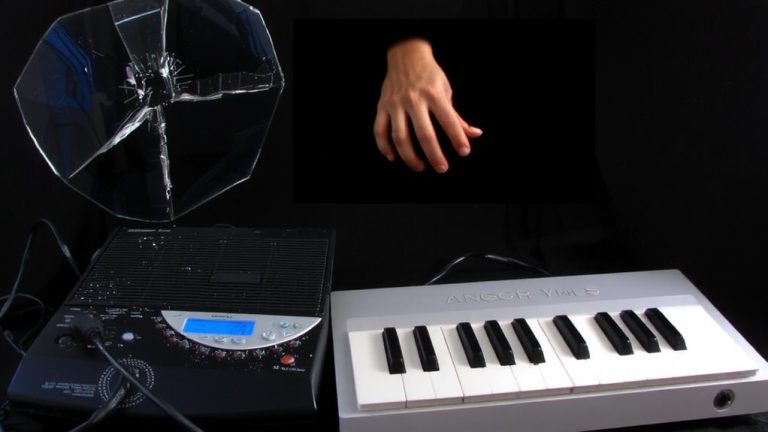
While you’re building a versatile setup for recording, live performance, or podcasting, understanding MIDI processing devices is key to enabling seamless communication between your gear. These MIDI processors interpret and manipulate MIDI data in real time, letting you route MIDI messages across multiple instruments and software with precision. You’ll send commands across 16 MIDI channels, filter unwanted data, or merge streams from different controllers using MIDI merging. Devices like the Kenton MIDI Merge or iConnectivity Mio handle bidirectional communication, supporting USB MIDI hosting and modern DAW integration. They bridge old and new by translating MIDI protocols, enabling SysEx dumps, or syncing clock signals reliably. With flexible MIDI routing, you control synths, effects, and amps from one source, streamlining complex rigs. Whether you’re switching patches on a guitar multi-FX or syncing a bass rig to a sequencer, MIDI processors make your setup responsive, organized, and studio-ready.
Expand MIDI to Multiple Devices With Processors
If you’ve ever tried to switch patches on multiple effects units at once using just your TC Electronic G-System, you’ve probably hit the wall of MIDI’s point-to-point limit-without a processor, it can only talk to one device at a time, which isn’t enough for a full rig with layered modulation, delay, and amp modelers. MIDI processing devices like the MIDI-X let you expand MIDI from a single MIDI output to control multiple devices simultaneously. These units overcome MIDI 1.0’s point-to-point architecture, supporting daisy-chaining or parallel routing for reliable, real-time control. Whether you’re using MIDI controllers live or in the studio, a processor turns your G-System into a master controller.
| Feature | Benefit | Example Use |
|---|---|---|
| MIDI-X | Splits signal | Control 4 pedals at once |
| Daisy-chaining | Reduces cable clutter | Boss, TC, Strymon chain |
| Parallel routing | Preserves data | No lag between devices |
| MIDI output expansion | Scalable setup | Live rig, studio array |
| MIDI processing devices | Expand MIDI reliably | G-System driving modelers |
Get More From Your MIDI Controller With Processing
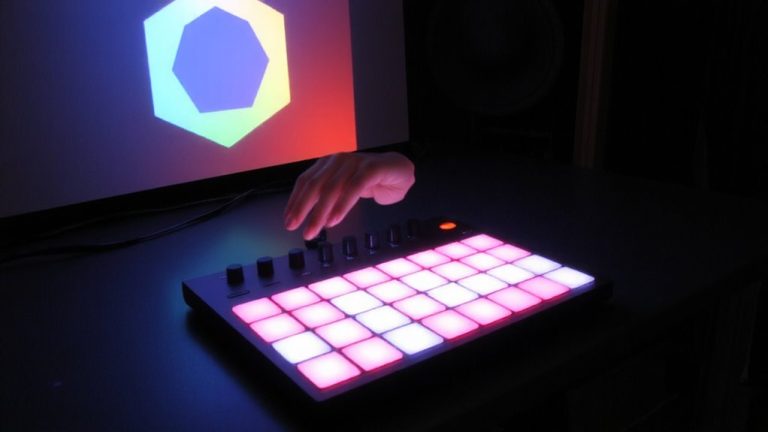
When you’re tearing through a live set or laying down tracks in the studio, your MIDI controller can do way more than just send basic program changes-by adding a MIDI processor, you’re activating advanced control like remapping notes on the fly, scaling velocity curves to match your picking dynamics, or triggering full chord voicings with a single key press. MIDI processors help you expand functionality far beyond what MIDI controllers offer natively. They transform MIDI messages in real time for tighter live performance, smoother DAW integration, and deeper expressive control. Devices like the TC Electronic G-System streamline setup by sending program changes, managing presets, and supporting MIDI-CI for automatic device handshake. Even with one MIDI out, you can control multiple units using merge/split setups. Whether you’re syncing gear, shaping data, or layering sounds, MIDI processing turns simple triggers into powerful, intelligent commands-making your rig smarter, faster, and more musical.
Transform MIDI in Real Time for Better Expression
You’re already using your MIDI controller to switch patches and trigger sounds, but real-time MIDI processing takes that control further by shaping how your performance translates into sound. With MIDI processing devices, you can transform MIDI in real time for enhanced expressiveness. These units support velocity scaling, note mapping, and aftertouch manipulation, giving you precise control. Real-time MIDI processing enables dynamic articulation changes, like shifting violin legato to staccato via control changes. Devices such as the TC Electronic G-System let you apply per-note pitch bending and individual modulation, boosting realism in virtual instruments.
| Feature | Benefit |
|---|---|
| Velocity scaling | Smooth dynamics across keyboards |
| Note mapping | Reassign notes for custom layouts |
| Aftertouch manipulation | Add vibrato or filter sweeps |
| Dynamic articulation changes | Shift playing styles seamlessly |
| Per-note pitch bending | Realistic string bends per note |
Bridge Old Synths to Modern DAWs Using MIDI Processing
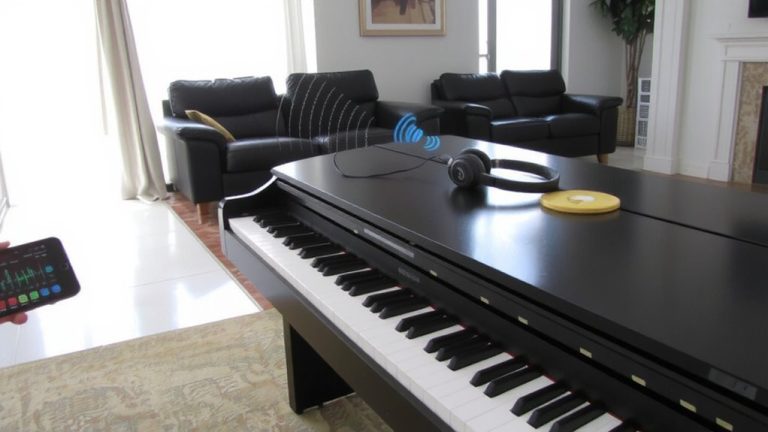
Though your vintage synth lacks USB or built-in computer integration, MIDI processing devices make it simple to bring that classic analog character into your modern DAW setup. With MIDI processing, legacy synthesizers connect to digital audio workstations via standard MIDI 1.0 ports, letting you send and receive MIDI data reliably. Devices like the iConnectivity MioXL or Keystation 88 MK3 support bidirectional MIDI communication, so your DAW can trigger notes, control changes, and program changes with tight timing. You’ll maintain full DAW integration while preserving your synth’s authentic sound. MIDI processing also lets you filter, merge, or remap incoming MIDI data from MIDI controllers, streamlining your workflow. Whether you’re recording bass lines or leads, these tools guarantee your old gear plays perfectly with modern software-no retrofitting needed. It’s seamless, stable, and studio-ready.
Why MIDI 2.0 Changes Everything for Controllers
Because MIDI 2.0 introduces bidirectional communication, your controller isn’t just sending data anymore-it’s interacting, receiving real-time feedback from synths, interfaces, and DAWs with minimal latency, making your entire rig feel more responsive. With 32-bit resolution, MIDI 2.0 boosts controller data precision far beyond MIDI 1.0’s 128 steps, delivering smoother fades and more nuanced modulation. You gain expanded expressive capabilities, like per-note control for pitch, timbre, and velocity-ideal for dynamic keyboard or guitar synth use. MIDI-CI enables automatic device configuration, so your gear recognizes each other instantly. Property Exchange lets your controller pull preset names and synth settings directly from hardware, just like plugins. Whether you’re tracking bass in a DAW or processing vocals live, MIDI 2.0 transforms your setup into a smarter, more intuitive ecosystem.
On a final note
You get way more flexibility when you use MIDI processing devices with your controller, whether you’re running guitar synths, bass modules, or studio gear. They let you split signals to multiple destinations, convert MIDI in real time for smoother expression, and connect vintage synths to your DAW with sub-5ms latency. With MIDI 2.0, you gain 32-bit resolution and bidirectional messaging, so your Expression pedal, Ableton Push, or Roland A-800Pro responds more precisely, making your setup smarter, faster, and more powerful.