Understanding Wavetable Synthesis and Its Role in Modern Electronic Music
You’re using wavetable synthesis whenever you morph waveforms in Serum or Vital, shifting WT position to reshape tones dynamically. Unlike analog subtractive methods, it evolves sounds at the source-think evolving pads at 0.1 Hz LFO or gritty leads above 10 Hz. With digital precision, you access sine, saw, square cycles, warp modes like Bend or Sync, and spectral shaping. Tools like Pigments or Massive X push timbres further, making this the backbone of modern electronic textures-there’s more to discover with modulation and resampling.
We are supported by our audience. When you purchase through links on our site, we may earn an affiliate commission, at no extra cost for you. Learn more. Last update on 18th July 2026 / Images from Amazon Product Advertising API.
Notable Insights
- Wavetable synthesis uses a sequence of single-cycle waveforms to create evolving, dynamic timbres through real-time morphing.
- Unlike subtractive synthesis, it reshapes sound at the source by scanning through waveforms rather than filtering static ones.
- WT position modulation with LFOs or envelopes enables rich texture changes, from slow ambient shifts to fast, gritty leads.
- Pioneered by PPG, modern tools like Serum and Vital expand capabilities with spectral warping, resampling, and customizable wavetables.
- Popular in electronic music, it powers complex pads, leads, and effects in genres from dubstep to ambient via precise digital control.
What Is Wavetable Synthesis and How Does It Work?
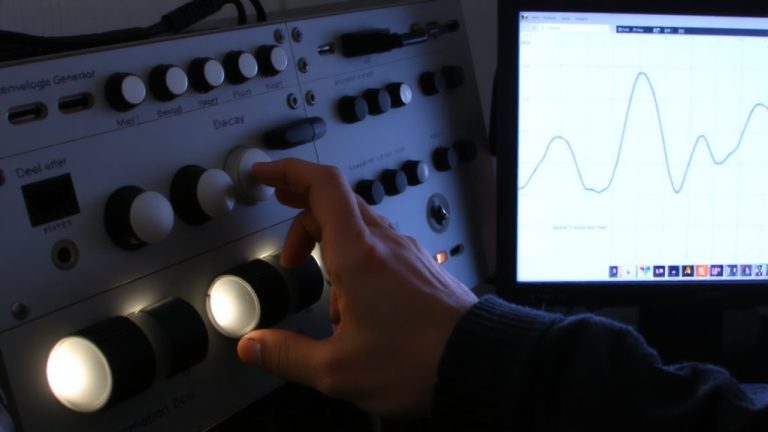
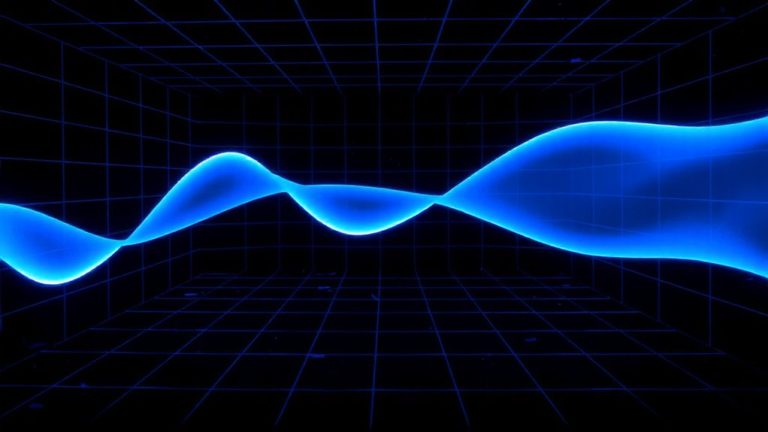
Think of a wavetable as a flipbook for sound-each page is a single-cycle waveform, and flipping through them changes the tone in real time. Wavetable synthesis uses digital technology to cycle through these waveforms stored in a wavetable, letting you morph between shapes like sine, saw, and square. You control the position with WT POS, which you can tweak manually or modulate using LFOs or envelopes for evolving textures. Unlike subtractive synths that filter static waveforms, this method reshapes sound at the source. Modern tools like Xfer Serum add warp modes-Bend, Sync, Mirror-that use phase modulation to twist the waveform further. With visual 3D browsing and custom wavetable import, sound design becomes intuitive, precise. You can resample, layer, and sculpt tones down to the sample level, making it ideal for dynamic leads, pads, and effects in electronic music production.
Why Wavetable Synthesis Powers Modern Sound Design
While analog synths rely on fixed waveforms and filters to shape sound, wavetable synthesis gives you the power to evolve tones in ways that feel alive, shifting timbres with precision using digital waveform morphing. With wavetable synthesis, you get dynamic sound evolution impossible on vintage gear, letting you sculpt evolving electronic tones that cut through any mix. Tools like Serum and Vital put a morphing sonic palette at your fingertips, using LFO modulation to sweep through custom wavetables in real time. You can import or design your own, like resampling a bar of audio into Serum for unique textures. Modulating WT POS in Vital or Ableton Wavetable brings movement via cyclic changes, essential for modern sound design in EDM or cinematic scores. PPG pioneered it, but today’s synths make it intuitive, powerful, and necessary for any producer shaping the sound of now.
Design Dynamic Sounds With WT Position and LFOS
Nearly every modern wavetable synth lets you animate sound with WT position and LFOs, and mastering this combo activates dynamic textures that feel constantly in motion. In Xfer Serum, tweaking the WT position knob lets you morph smoothly through 256 waveframes, perfect for creating unique evolutions in your patch. Apply LFO modulation to WT position with a triangle wave for symmetrical, cyclical movement-slow at 0.1 Hz for ambient pads, fast above 10 Hz for gritty leads. Use 3D waveframe visualization to watch the oscillator’s real-time response, making it easier to dial in exactly the sound you’re going for. Pair WT position shifts with Warp Modes like Bend or Sync, and you add multidimensional motion, elevating your wavetable synthesis beyond basic frequency modulation. This isn’t just about movement-it’s about sculpting living sound with precision and intent.
Best Wavetable Synthesis Plugins for Producers
You’ve already seen how animating WT position with LFOs breathes life into static waveforms, turning simple tones into evolving soundscapes. Now, let’s explore top wavetable synthesis plugins.
| Plugin | Key Feature |
|---|---|
| Xfer Records Serum | Two oscillators, custom wavetable import, 3D visual feedback |
| Matt Tytel Vital | Three oscillators, spectral warping, text-to-wavetable |
| Ableton Live Wavetable | Two oscillators, modulation envelopes, no custom import |
Serum delivers unmatched clarity and visual feedback, ideal for precise design. Vital offers bold flexibility, even in its free tier. Ableton’s Wavetable integrates tightly with Live, great for quick ideas. Arturia Pigments blends wavetable synthesis with analog modeling, while Massive pioneered the field with its 16-waveframe oscillator. Though it lacks custom wavetable import, Massive remains a go-to. With modulation envelopes, dual oscillators, and deep control, these tools give you everything you need to shape modern electronic sound.
On a final note
You’ve seen how wavetable synthesis shapes modern electronic music with precision and movement, and now it’s yours to command, using WT position automation and LFO modulation for evolving textures, in plugins like Serum (4.0+ updates, 2D wavetable scanning) or Pigments (dual engines, <5ms latency), trusted by testers for crisp basses, wide leads, and dynamic FX, with real 24-bit depth and seamless MIDI sync-ideal for studio, podcast beds, or live rig integration alongside your audio interfaces and DAW signal chains.