Choosing the Right Polar Pattern for Overhead Drum Miking With Condenser Mics
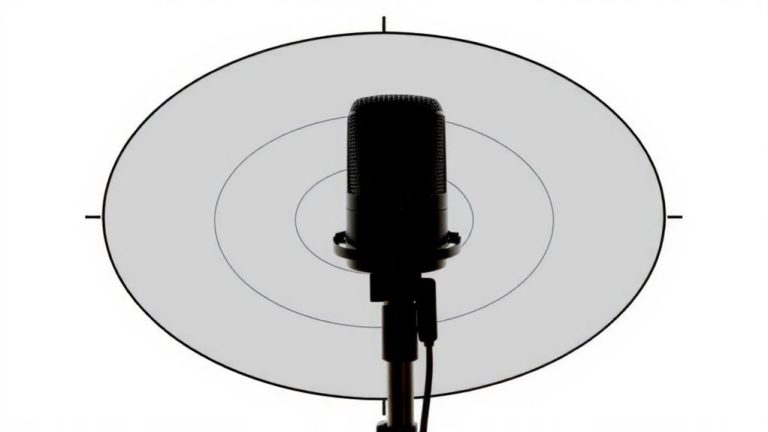
Choose cardioid for bleed control in live rooms, placing mics 3–4 feet apart and equidistant from the snare to maintain phase coherence. Try omnidirectional if you’re in a treated studio-mics like the AKG C414 XLII capture even frequency response without proximity effect, giving a natural blend. For dramatic width and depth, use figure-8 in a Blumlein pair, angling null points toward amps or side noise. Each pattern shapes tone, stereo image, and room capture-your room’s acoustics and setup decide the best fit, and the details make all the difference.
We are supported by our audience. When you purchase through links on our site, we may earn an affiliate commission, at no extra cost for you. Learn more. Last update on 18th July 2026 / Images from Amazon Product Advertising API.
Notable Insights
- Cardioid patterns reduce bleed from amps and monitors, ideal for live or noisy environments.
- Wide cardioid captures balanced drum and cymbal tones with natural room openness in small spaces.
- Figure-8 mics in Blumlein pairs offer rich stereo imaging and side rejection in reflective rooms.
- Omnidirectional condensers provide phase-coherent, spacious sound ideal for controlled studio environments.
- Spaced or X/Y small-diaphragm condensers in cardioid or figure-8 ensure precise stereo imaging and phase alignment.
How Polar Patterns Shape Your Drum Overheads
When you’re setting up overhead mics, the polar pattern you choose directly shapes how much kit detail you capture and how cleanly it integrates with close mics. With condenser mics, polar patterns like cardioid, wide cardioid, and figure-8 give you precise control over what gets picked up. For overhead miking, a spaced pair of large-diaphragm condensers in cardioid pattern, placed above the hi-hat and floor tom, delivers a wide stereo image with solid bleed control. Small-diaphragm condensers like the Neumann KM184 work great in XY pairs at 90–135 degrees, their tight polar patterns ensuring clear imaging and minimal phase issues. A single wide cardioid (hypocardioid) mic at 24 inches over the kit captures broad coverage with natural depth. And if you’re aiming for realism, a Blumlein pair with bi-directional polar patterns offers rich, phase-coherent overhead miking with strong side rejection-ideal for expressive drum tones.
Cardioid Overheads: Focus the Kit, Reject Bleed
You’ve seen how polar patterns shape your drum overheads, and now it’s time to zero in on one of the most practical choices: cardioid. Your cardioid overhead mics capture the kit with focus while rejecting off-axis bleed, ideal in live rooms or when amps and vocals crowd the space. A wide cardioid pattern works well for single-mic setups, offering broader coverage for balanced cymbal and drum tone. With spaced pair or X/Y stereo techniques, keep capsules equidistant from the snare to preserve phase and center imaging. Cardioid’s rear rejection cuts bleed from guitar amps and foldback, boosting clarity in complex mixes. Watch the proximity effect-close placement can add low-end body but may overemphasize kick and toms if unchecked.
| Benefit | Use Case |
|---|---|
| Directional pickup | Reduces bleed from vocal mics |
| Rear rejection | Cleaner sound near guitar amps |
| Proximity effect | Add warmth, but monitor kick drum |
| Phase coherence | Critical for stereo overhead mics |
Omnidirectional Overheads: Natural Sound, No Phase Fear
Omnidirectional overheads capture the drum kit in its truest form-spacious, balanced, and free from the phase quirks that often plague directional mics. You’ll love how omnidirectional condenser mics, like the AKG C414 in omni mode, pick up sound evenly from all around, giving you a lifelike image without coloration. Since they don’t suffer from proximity effect, you can place them low over the kit without boomy lows or harsh cymbal spikes. There’s no rear rejection, so your kick, snare, and toms stay present and naturally blended in the stereo field. Best of all, these mics maintain excellent phase coherence with close mics, reducing comb filtering and making your mix come together faster. You’ll spend less time flipping polarity or nudging waveforms. With omnidirectional condenser mics overhead, you get full frequency response, consistent tonality, and a big, open sound that still sits tight in the track-ideal for jazz, folk, or any session where realism matters.
Figure-8 and Spaced Overheads: Big Image, Careful Phase
Figure-8 polar patterns open up a different world of overhead miking, trading the all-around ease of omni for a broader, more dramatic stereo picture. When you use a spaced pair of figure-8 mics like the sE Electronics VR1, you capture a warm, full-bodied tone with rich low-end and ambient depth-no EQ needed. But that bidirectional pickup means sound enters front and back while rejecting the sides, so phase alignment is critical. Misalignment with close mics can cause phase cancellation, especially in the lows. Blumlein or wide spaced pair setups deliver a huge image, but you’ve got to nail the distances and timing.
| Technique | Spacing & Height |
|---|---|
| Spaced Pair | 3–4 ft apart, 5 ft above kit |
| Blumlein | 2 mics coincident, 90° angle |
Pick the Right Pattern for Your Room and Kit
How do you make sure your overhead mics capture the drum kit the way it truly sounds in the room? Choose the right polar pattern for your space and setup. In a small or dry room, use a wide cardioid polar pattern on your overhead condensers-like the Shure KSM137-to pick up more of the kit’s natural spread and room ambience while rejecting off-axis stage bleed. For live sound, cardioid helps isolate drums from guitar amps and monitors. In a controlled studio, go for omnidirectional patterns on mics like the AKG C414 XLII; they deliver a balanced, phase-coherent overhead image with full low end. If your room’s reflective, try a bi-directional (figure-8) pattern, like on the sE VR1 ribbon mic, to capture warmth and reject sound from the sides. Align each overhead’s null point-90° off-axis-toward loud sources for best isolation.
Fix Phase Issues in Overhead Stereo Pairs
When you’re setting up overhead mics, even small misalignments can cause phase issues that make your snare sound thin or wobbly in the mix, so it’s essential to get the placement right from the start. Match the distance from each condenser microphone capsule to the snare-keeping them equal secures time alignment and strong phase coherence. If using a spaced pair, align capsules along an arc above the kit and avoid positioning them too far apart to prevent comb filtering. For tighter phase coherence, try a coincident X/Y setup, where both capsules sit as close together as possible, capturing sound at the same moment. Small height adjustments-just 2–3 inches-can correct timing mismatches. Remember, phase coherence between overheads and close-mics is vital; even slight misalignment can smear the snare in the mix. Smart Overhead Miking Techniques save time during tracking and deliver a solid, punchy drum sound.
On a final note
You’ve got options, and each polar pattern shapes your drum sound differently. Cardioid cuts bleed, great for tight rooms. Omnidirectional delivers natural, phase-safe highs with 20–20k Hz clarity. Figure-8 gives width but watch phase, especially above 5 kHz. Match the pattern to your space and mic setup, use 90/45 stereo alignment where needed, and always flip phase if overheads cancel your snare.