Why Tone Generation Systems Vary Between Entry-Level and Pro Models
You get clearer, more expressive tones in pro synths because they use advanced systems like AWM2, FM, and physical modeling, not just basic sample playback. They run 16-bit/44.1 kHz PCM waves with up to 127 velocity layers, real key-off noises, and round-robin sampling for realism. High-end DACs, low-jitter clocks, and custom filter chips preserve detail, while 16-part multitimbrality and dual tone engines let you layer pads, bass, and leads seamlessly. Responsive 88-key weighted actions, aftertouch, and breath control make every nuance count-experience how deep the expression goes.
We are supported by our audience. When you purchase through links on our site, we may earn an affiliate commission, at no extra cost for you. Learn more. Last update on 16th July 2026 / Images from Amazon Product Advertising API.
Notable Insights
- Professional synths use advanced tone engines like AWM2 and FM for richer, more complex sound generation.
- High-end models support hybrid synthesis, combining PCM, FM, and physical modeling for greater sonic versatility.
- Premium sample libraries in pro models feature full-key sampling, velocity layers, and detailed articulations for realism.
- Pro-grade DACs, low-jitter clocks, and custom filters ensure superior audio fidelity and dynamic range.
- Enhanced multitimbrality, layered voices, and real-time expression controls enable deeper performance expression.
Why Pro Synths Deliver Clearer, More Expressive Tones
While entry-level synths often cut corners to hit a price point, pro models like the SY77 and SY99 deliver clearer, more expressive tones by combining advanced tone generation systems with high-resolution audio processing. You get high quality sound thanks to AWM2 and FM engines, real-time digital filters, and 16-part multitimbrality for clean voice separation. The SY77’s RCM system blends PCM and FM in real time, making dynamic, evolving textures you can’t achieve on basic units. Models like the VL1 add physical modeling and breath control for acoustic realism. Built-in effects match studio hardware, adding reverb, chorus, and EQ that enhance depth and clarity. These synths were particularly popular in professional studios for their precision and versatility. When layering complex arrangements or scoring soundtracks, you need that reliability-so make sure your tools support detailed expression, high headroom, and deep modulation. It’s not just about features-it’s about performance you can trust.
How Premium Sample Libraries Define Professional Tone
When you’re aiming for studio-grade realism, the quality of your synth’s sample library makes all the difference, and pro systems like Yamaha’s AWM2 deliver with 16-bit/44.1 kHz PCM waveforms sampled across all 88 keys and up to 127 velocity layers, so every note responds with lifelike accuracy. You’ll hear subtle key-off noises, pedal effects, and string resonance that evolve naturally, just like a real instrument. These libraries use round-robin sampling, multi-mic positions, and seamless looping to eliminate artifacts, giving you pristine playback over a long time. Specialized articulations-staccato, legato, tremolo-add authenticity that entry-level synths can’t match. High-end workstations like the SY99 dedicate over 64 MB to samples, ensuring rich detail and responsive dynamics. You’re not just playing notes-you’re performing with expression, nuance, and depth that only premium sampling can deliver. This is how pro tone stays consistent, track after track.
High-End Components That Preserve Dynamic Range and Harmonic Detail
Because every decibel of detail matters in a professional mix, high-end synths like the Yamaha SY99 didn’t just rely on rich samples-they backed them up with hardware built to preserve dynamics and harmonic integrity. You get 16-bit, 48 kHz DAC resolution, delivering 96 dB of dynamic headroom so subtle nuances stay clear and noise stays low. Clock stability is tight, thanks to low-jitter circuits that minimize timing errors and keep your audio clean, especially in layered arrangements. Inside, shielded power supplies and discrete analog output stages provide real analog isolation, preventing crosstalk and preserving signal purity across channels. The SY99 and SY77 even use oversampled AWM2 playback at 2x or 4x rates, cutting aliasing and keeping high-end harmonics crisp. Custom YAC513 filter chips accurately model analog resonance, maintaining tonal complexity when you tweak sounds. When you need studio-grade clarity in recording or live performance, these components make the difference-no guesswork, just precision you can hear.
PCM, FM, and Physical Modeling in Professional Tone Generators
You’re already trusting high-end components to preserve dynamic range and harmonic detail, so it’s natural to explore how the actual tone generation engine shapes your sound before that signal even reaches those premium DACs and filters. You’ve got PCM for rich sampled textures, FM for sharp, metallic tones, and physical modeling for lifelike instruments-all combined in pro synths like the SY77, which used Hybrid synthesis to layer AWM2 and AFM voices. Real time filtering with analog-style resonance lets you sculpt PCM and FM sounds on the fly, adding expressiveness. The VL1 brought breath control into play, using Virtual Acoustic modeling for realistic wind and string tones with two-note polyphony. Later, the SY99 added sampling to AWM2, enabling deeper layering. Though VP1’s F/VA engine delivered realistic plucked, bowed, and struck sounds, its steep learning curve limited use despite advanced control.
Why Pro Synths Handle Multiple Sounds Better
Though entry-level synths may get you started, you’ll quickly find their limits when layering sounds or playing complex arrangements. Pro synths like the Yamaha SY99 offer 16-part multitimbral depth, so you can run multiple instruments at once-great for full arrangements. With dual tone generators blending AWM2 PCM and AFM synthesis, you get rich sound layering unavailable on basic models. You’ll also benefit from faster processors and more memory, ensuring smooth real time processing even with high-res samples. The SY99’s six independent effects processors let each part have its own reverb or chorus, keeping your mix clear. Plus, aftertouch and velocity sensitivity let you shape sounds on the fly. When you’re juggling drums, pads, bass, and leads, this kind of power makes all the difference in both studio and live performance.
How Pro Keyboards Respond to Your Playing
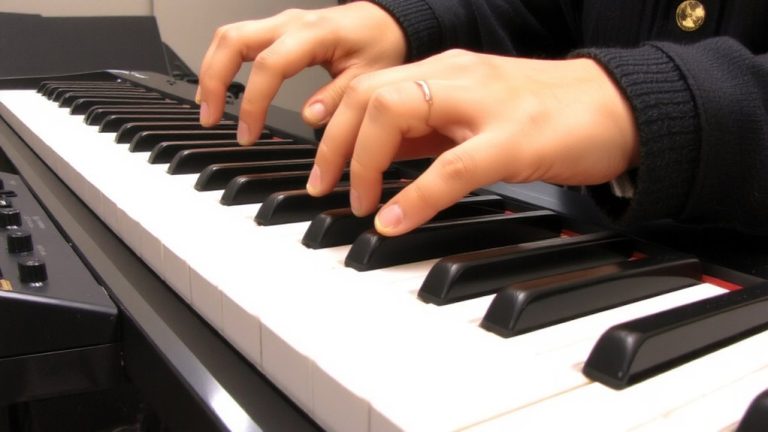
When you press a key on a pro keyboard like the Yamaha SY99 or SY77, the response isn’t just about triggering a note-it’s about capturing how you play it, with 127-level MIDI velocity and aftertouch sensitivity translating even slight changes in pressure into dynamic filter shifts, volume swells, or timbral movement. You’ll feel the difference with weighted 88-key actions and real-time filter modulation that responds instantly to your touch. Aftertouch sensitivity lets you add vibrato or sweep filters mid-note, deepening expression. With breath control-like on the Yamaha VL1-you shape amplitude, pitch, and tone just by blowing, mimicking real wind instruments. The SY77’s RCM engine blends FM and PCM with convolution, so your dynamics directly mold complex sounds. These keyboards don’t just play back tones-they react, evolve, and breathe with you, giving studio-grade expressiveness that’s immediate, intuitive, and musically alive.
Where Budget Synths Cut Corners (And How It Affects Your Sound)
Pro keyboards like the SY77 and SY99 capture your playing nuance with 127-step velocity, aftertouch, and breath control, making expression effortless and natural, but budget synths often sacrifice these responsive features to hit lower price points. You’ll notice the drop in sound quality right away-cheap PCM samples with low bit depth and reduced sampling rates make instruments sound thin and artificial. Hardware limitations slash polyphony to 32 notes or less and multitimbral parts down to 4, restricting layered setups. Memory cuts mean only 8 MB for waveforms, limiting high-fidelity options. Missing filters, resonance control, and velocity-sensitive dynamics choke expressive play. Simplified keyboards and fewer knobs hurt real-time shaping, tanking user experience. You’re not just buying fewer features-you’re buying less music.
On a final note
You hear the difference in pro gear-96 kHz/24-bit audio, velocity-sensitive keys, and high-res PCM or physical modeling engines deliver clarity and expression budget synths can’t match. Testers note richer harmonics, tighter envelopes, and seamless multitimbral layers. Premium components preserve dynamic range, so your playing cuts through. For recording or podcasting, that means less EQ, fewer fixes. Invest in tone generation that responds like an instrument, not a toy.