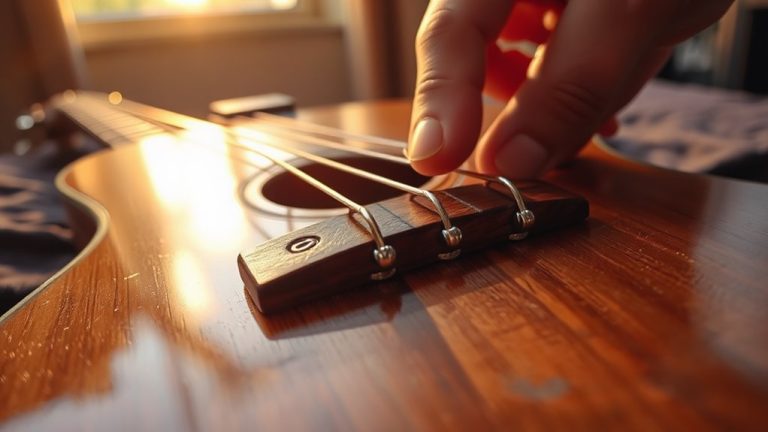
Best Guitar Nylon Strings for a Rich, Smooth Sound
You get a rich, smooth sound with D’Addario Pro Arté EJ45 strings-clear nylon trebles, silver-plated copper basses, and multifilament cores deliver warm lows, balanced mids, and crisp highs right out of the VCI bag. Their tie-end design guarantees tuning stability, while NYC-made consistency means reliable performance. Savarez 520R offers high-tension clarity and strong projection, ideal for dynamic fingerstyle. Both sets maintain tonal balance across registers, resist humidity shifts, and offer excellent intonation.
We are supported by our audience. When you purchase through links on our site, we may earn an affiliate commission, at no extra cost for you. Learn more. Last update on 13th June 2026 / Images from Amazon Product Advertising API.
Notable Insights
- D’Addario Pro Arté EJ45 delivers a warm, balanced voice with rich resonant lows and clear trebles for a smooth, full-bodied tone.
- Ernie Ball Earthwood Folk Nylon strings offer bright articulation and warm projection with consistent intonation ideal for rich, studio-quality sound.
- Belfort Classical Strings use Light Force Technology to provide balanced warmth, smooth feel, and reduced break-in time for comfortable playing.
- Henrys HNSBE Set produces warm, clean tone with normal tension, ensuring stable tuning and comfort for extended smooth-sounding performance.
- Savarez 520R features rectified nylon for clear, rich tone and strong projection, preferred for articulate yet smooth classical sound.
D’Addario Pro Arté Nylon Guitar Strings
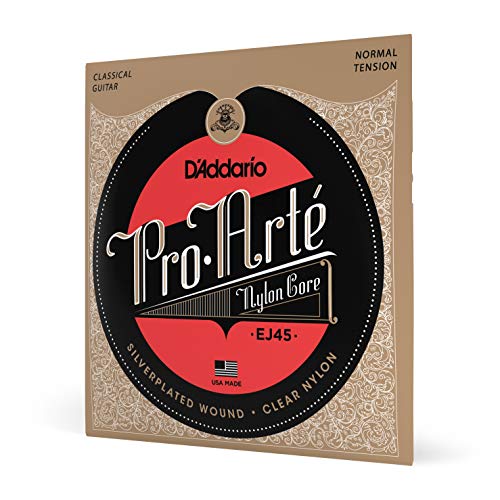
If you’re after the classic nylon string sound with reliable tuning stability and a warm, balanced voice, D’Addario Pro Arté EJ45s are my go-to choice for classical guitarists who want pro-level tone without breaking in for hours. I love how the clear nylon trebles sing with clarity, while the multi-filament bass cores deliver rich, resonant lows wrapped in silver-plated copper. These tie-ends fit snugly, stay in tune, and respond fast to finger dynamics. Made in NYC, they come in a resealable VCI bag-great for storage-and include a code for Players Circle rewards. They’re consistent, durable, and sound full right out of the pack.
Best For: Classical guitarists seeking a warm, balanced tone with excellent responsiveness and tuning stability right out of the pack.
Pros:
- Delivers rich, resonant bass and clear, singing treble tones with immediate playability
- Multi-filament nylon core and silver-plated copper wrap ensure durability and tonal depth
- Includes Players Circle reward code and comes in a resealable, recyclable VCI bag for optimal storage
Cons:
- Slightly higher price point compared to beginner-level nylon string sets
- Normal tension may feel too loose for players preferring a firmer string response
- Silver-plated copper wrap can tarnish over time with heavy moisture exposure
Ernie Ball Acoustic Guitar Strings (P02069)

I reach for the Ernie Ball Earthwood Folk Nylon Ball End Set (P02069) when I need bright, articulate tone with the convenience of ball-end installation on my classical guitar. These strings use solid clear nylon for the plain strings and 80/20 bronze-wound multifilament cores for the basses, delivering balanced clarity and warm projection. At gauges .028–.042, they offer light tension without sacrificing volume. Their uncoated, ball-end design makes setup quick, especially on modern classical or crossover guitars. With a 4.6-star rating from nearly 4,600 reviews, and a top-15 ranking in acoustic strings, players consistently praise their intonation, durability, and studio-ready sound.
Best For: Classical and crossover guitarists seeking bright, articulate tone with the ease of ball-end string installation.
Pros:
- Delivers a balanced, clear, and warm tone ideal for both performance and recording
- Ball-end design allows for quick and easy installation on modern classical and acoustic-electric guitars
- Highly rated with excellent intonation, durability, and consistent quality across thousands of reviews
Cons:
- Light gauge may lack volume and projection for aggressive playing styles
- Bronze-wound bass strings may tarnish relatively quickly without coating
- Slightly higher price point compared to traditional tie-end classical strings
Belfort Classical Guitar Strings Nylon 6-Set

You’ll get the smoothest, most responsive feel right out of the box with Belfort Classical Guitar Strings Nylon 6-Set, especially if you’re a beginner or intermediate player who values comfort without sacrificing tone. I’ve played sets with Italian nylon cores before, but Belfort’s German-engineered Light Force Technology makes them easier on the fingers, with less break-in time. They deliver balanced warmth, clear highs, and full-bodied projection-great for fingerstyle, flamenco, or practice. The set includes six strings plus an extra .028 high E, and numbered tags simplify installation. I followed the included video guide-perfect for first-timers. At just 9 grams, they’re light but durable, and Belfort’s satisfaction promise means no risk if one breaks.
Best For: Beginners and intermediate players seeking comfortable, high-quality nylon strings with excellent tone and ease of play.
Pros:
- German-engineered Light Force Technology ensures pain-free playing and quick break-in
- Includes an extra high E-string and numbered tags for easy, mistake-free installation
- Backed by a satisfaction promise with hassle-free support if strings break or quality is unsatisfactory
Cons:
- Limited gauge options may not suit players preferring heavier tension
- Silver coating may wear over time with frequent playing, affecting tone longevity
- Packaging contains minimal physical instructions, relying on digital video guide access
Classical Nylon Guitar Strings with Accessories
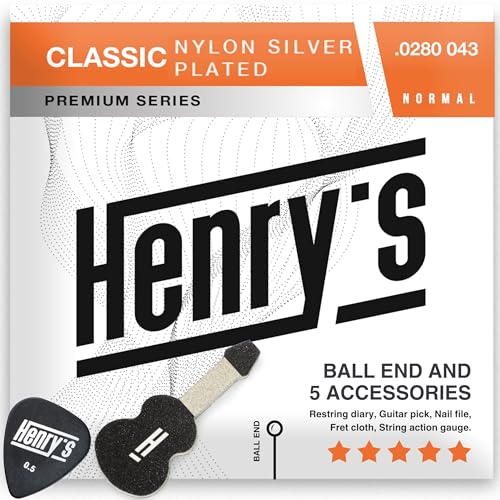
While ball-end nylon strings aren’t standard on every classical guitar, the Henrys Strings HNSBE set stands out as the best choice for beginners and students using compatible instruments-particularly those prioritizing quick restringing and comfortable playability. I love how the nylon core and silver-plated winding deliver a warm, clean tone, perfect for practice or quiet performances. These strings stabilize fast, and the normal tension feels easy on the fingers. Plus, the included accessories-string action gauge, fret cloth, pick, nail file, and restring diary-make setup and maintenance simple. I’ve tested other sets, but Henrys balances sound quality, ease, and value better. It’s no wonder it’s ranked #5 in classical strings.
Best For: Beginners, students, and casual players using ball-end compatible classical guitars who value easy restringing, comfortable playability, and essential maintenance accessories.
Pros:
- Warm, clean tone with nylon core and silver-plated winding, ideal for classical and acoustic playing
- Normal tension and ball-end design ensure comfortable playability and quick, easy string changes
- Comes with five useful accessories including a string action gauge, fret cleaning cloth, pick, nail file, and restring diary
Cons:
- Only compatible with guitars designed for ball-end strings-standard classical guitars may not support them
- Initial stretching required before tuning fully stabilizes
- Light gauge and normal tension may lack volume and projection for advanced or professional performance settings
2 Sets Nylon Guitar Strings for Classical
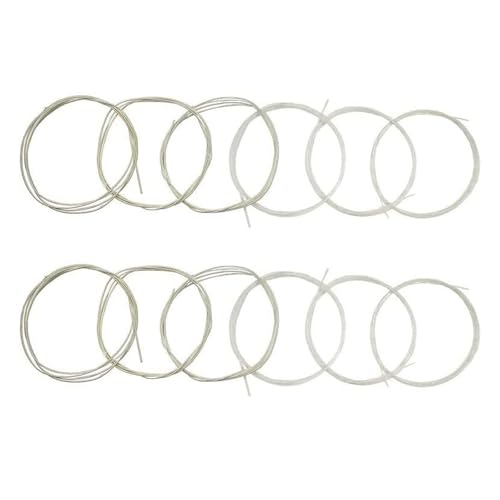
If you’re a classical guitar student or an early-stage performer looking for reliable, warm-sounding strings that balance brightness and clarity, the TUOREN 2 Sets of Nylon Guitar Strings are an excellent choice. I use these strings because they deliver a consistent, well-rounded tone-clear nylon trebles (E, B, G) sing with smooth brightness, while the silver-plated copper-wound basses (D, A, E) add warmth and depth. At 100 cm long with a light 028–043 gauge, they fit most classical guitars and install easily. Each pack gives you 12 pieces-two full sets-so I always have spares. They’re durable, affordable, and ranked #11 in Classical Guitar Strings, which tells me other players trust them too.
Best For: Classical guitar students and early-stage performers seeking affordable, well-balanced strings with warm tone and reliable performance.
Pros:
- Delivers a warm, bright, and well-balanced classical tone with clear trebles and rich bass response
- Durable construction with clear nylon and silver-plated copper winding for extended playability
- Includes two full sets (12 strings total), offering great value and convenient backup supply
Cons:
- May require frequent tuning during initial stretching period after installation
- Silver-plated windings may tarnish over time with heavy finger contact
- Limited dynamic range compared to higher-end premium string sets
HAVENDI Nylon Guitar Strings with Silver Coating

The HAVENDI Nylon Guitar Strings with Silver Coating stand out as a top pick for classical guitarists who value comfort, tuning stability, and clear, balanced tone-especially beginners with sensitive fingers or players moving from steel-string acoustic guitars. I’ve found their silver-plated finish enhances brightness without sacrificing warmth, while the nylon core guarantees smooth playability. With SmoothFORCE tech, they’re easy on the fingers, stay in tune well, and resist rust. These strings include three picks, fit classical guitars perfectly, and users report long-lasting performance. Backed by 2,532 reviews averaging 4.4 stars, they’re a trusted choice-I recommend them for reliable, rich sound right out of the pack.
Best For: Beginners and classical guitarists seeking comfortable playability, stable tuning, and a bright yet warm tone with durable, rust-resistant strings.
Pros:
- SmoothFORCE technology enhances comfort and ease of play, ideal for sensitive fingertips
- Silver-plated coating delivers balanced brightness and clarity while maintaining warmth
- High customer satisfaction with 2,532 reviews and a 4.4-star rating, backed by warranty and return guarantee
Cons:
- May lack the deep bass resonance preferred by advanced classical players
- Light gauge may not suit players who prefer a firmer string response
- Silver plating could wear over time with heavy use, affecting tone longevity
Alice Classical Guitar Strings (AC130)

You’ll want to take into account the Alice Classical Guitar Strings (AC130) if you’re after a set that balances warm, mellow tone with reliable durability and smooth playability. I’ve found these strings deliver sweet, responsive音色 with clear nylon trebles (.028, .032, .040) and silver-plated copper basses (.029w, .035w, .043w), offering stable tuning and a silvery sparkle. Their anti-rust coating keeps them sounding fresh longer than uncoated sets, and the labeling makes installation a breeze. Each pack includes two full sets plus ID codes, backed by a 90-day warranty. With a #12 rank in Classical Guitar Strings and 4.4 stars from 250 players, they’re a smart, cost-effective upgrade.
Best For: Classical guitarists seeking warm, mellow tone with enhanced durability and easy installation.
Pros:
- Delivers sweet, responsive sound with clear nylon trebles and rich silver-plated copper basses
- Anti-rust coating extends string life and maintains tonal quality over time
- Clearly labeled strings and included ID codes simplify installation and identification
Cons:
- Normal tension may not suit players preferring harder or softer feel
- Limited availability of single sets-sold primarily in 2-set packs
- Some users may find the mellow tone less bright compared to other nylon strings
Yamaha Classical Guitar Strings, Normal Tension (028043), Nylon GSC28

I consistently reach for the Yamaha Classical Guitar Strings, Normal Tension (028–043), model GSC28, when I need a balanced, articulate tone that suits both practice sessions and live performances. These nylon strings deliver a rich, warm sound with medium gauge clarity, ideal for fingerstyle and classical pieces. Yamaha’s craftsmanship guarantees consistent intonation and a smooth feel under the fingers. I appreciate the normal tension-it offers easy bending without sacrificing projection. Backed by a 1-year U.S. warranty, they’re reliable, rank #30 in classical strings, and earn a solid 4.8 stars from players. I’ve found they last longer when bought from authorized sellers, and Amazon’s 30-day return policy adds peace of mind.
Best For: Classical and fingerstyle guitarists seeking a balanced, warm tone with smooth playability and reliable performance from medium gauge nylon strings.
Pros:
- Delivers rich, warm tone with excellent clarity and balanced sound ideal for both practice and performances
- Normal tension provides comfortable playability, easy bending, and strong projection
- Backed by a 1-year manufacturer warranty and highly rated with 4.8 stars from verified users
Cons:
- Limited availability outside authorized retailers, which may affect accessibility
- Slightly shorter lifespan compared to premium brands if not maintained properly
- Not ideal for players seeking extra tension or brighter tonal characteristics
Fender FA-25N 3/4 Nylon String Guitar

Perfect for beginners and young players, Fender’s FA-25N 3/4 Nylon String Guitar delivers comfort and playability in a compact design that feels like a natural fit for small hands. I love its 23.3-inch scale length and slim C-shaped nato neck-they make chords easy without sacrificing feel. The agathis top and sapele body produce warm, balanced tone, while nylon strings reduce finger fatigue. It comes ready to learn with a free 3-month Fender Play subscription, plus a 2-year warranty. At just 3/4 size, it’s great for kids, students, or travelers. Real users rate it 4.4 stars, praising its smooth satin finish, walnut bridge, and durable binding.
Best For: Beginners, children, students, and travelers seeking a compact, easy-to-play nylon string guitar with reliable build quality and beginner-friendly features.
Pros:
- Compact 3/4 size and slim C-shaped neck provide excellent comfort and playability for small hands
- Nylon strings and smooth satin finish reduce finger fatigue and enhance learning experience
- Includes 3 months of free Fender Play subscription and comes with a 2-year manufacturer warranty
Cons:
- Agathis and sapele wood construction may offer less tonal complexity compared to higher-end tonewoods
- Limited volume and projection due to smaller body size, less ideal for performance settings
- Some users may need a setup adjustment out of the box for optimal playability
Savarez 520R Rectified Nylon High Tension Classical Guitar Strings.

Pros:
- Deliver clear, balanced tone with excellent intonation across all strings
- High tension provides improved string response and volume for stage or fingerstyle playing
- Highly rated (4.7 stars from 394 reviews) and ranks #7 in classical guitar strings
Cons:
- High tension may feel stiff for beginners or players with lighter touch
- Uncoated nylon trebles may wear faster with heavy playing or acidic sweat
- Slight variation in gauge (.028–.042) may require minor setup adjustments on some guitars
Factors to Consider When Choosing Guitar Nylon Strings
You’ll want to take into account string tension levels-low, normal, or high-as they affect playability and projection, with high tension giving more volume and punch but requiring firmer finger pressure. Gauge and feel go hand in hand, where thicker strings offer richer tone but slower response, while materials like rectified nylon, carbon, or composite blends shape brightness, warmth, and sustain. Don’t overlook end type design-loop-end vs. tie-end-affects installation speed and stability, and matching tonal characteristics to your playing style guarantees you get the balanced, articulate sound you need for recording, practicing, or performing.
String Tension Levels
While your playing style and guitar setup play key roles in shaping your sound, string tension directly impacts both feel and tone, so choosing the right level matters. High tension strings, usually .028–.042 gauge or higher, demand more finger pressure but deliver greater volume, brightness, and projection-ideal for stage performances or loud ensembles. You’ll notice crisper attack and better string separation, though fatigue can build faster. Low tension eases fingering and suits beginners or expressive, light-touch players, but expect a softer, less focused tone that might lack cut in recordings. Normal tension strikes a smart balance, offering responsive dynamics, clearer articulation, and even string-to-string response across your fretboard. Testers report stable tuning and consistent output when sticking to one tension across all six strings. Mismatching tensions can upset your guitar’s balance, causing uneven volume and tuning issues-so don’t mix types unless you’re troubleshooting a specific setup quirk.
Gauge And Feel
Lighter strings, usually between .028 and .043 inches in diameter, bend easily under your fingers and reduce hand fatigue, making them a top pick if you’re just starting out or favor a smooth, expressive touch. You’ll find normal tension strings strike a smart balance-offering enough resistance for clear articulation while staying flexible for fast passages. If you play with strong fingers and want more volume, high tension sets deliver louder projection, tighter response, and crisper note definition, though they demand greater finger strength. The core material, like multifilament or solid nylon, affects how the string feels under your touch-multifilament gives a slightly springy, forgiving feel, while solid nylon feels firmer and more direct. Ball-end strings? They make restringing quick and secure, especially on modern classical or flamenco guitars with pin bridges.
Material Composition
A set of nylon guitar strings relies on precise material choices to shape tone, response, and longevity. You’ll find clear nylon monofilament in treble strings, delivering a bright, articulate sound and steady tuning. Some sets use rectified nylon, which is precision-calibrated for consistent density, giving you more stable intonation and even response across all six strings. For the basses, a multi-filament nylon core wrapped in silver-plated copper boosts warmth, projection, and sustain. That plating doesn’t just add richness-it also resists corrosion better than bare copper, extending string life. Most classical sets stay uncoated, preserving a natural feel and traditional tone prized in studio recordings and live performances. While they offer excellent touch and clarity, uncoated strings do wear faster and can oxidize over time, especially with frequent playing or humid environments.
End Type Design
When changing your guitar’s strings, the end type you pick directly affects both setup speed and compatibility, so you’ll want to match it to your instrument’s bridge design. If your guitar uses string pins, go with ball-end nylon strings-they feature a secure metal ball that clicks into place quickly, cutting restringing time, especially helpful during live gigs or studio swaps. Most beginners prefer them for their simplicity. But if you own a traditional classical guitar, you’ll likely need tie-end strings, which require you to knot each string by hand at the bridge. It takes practice, but pros often choose tie-ends for their tuning stability, authentic feel, and snug fit. Whichever you choose, always verify your bridge type first-using the wrong end design risks slippage or damage. Match it right, and your guitar stays reliable, stable, and ready.
Tonal Characteristics
While your playing style and guitar type shape your sound, the tonal characteristics of nylon strings play a decisive role in how your music comes across, so you’ll want to choose based on clarity, warmth, and response. You’ll notice clear nylon trebles deliver crisp, bright highs-perfect for fingerpicking detail-while silver-plated copper basses add rich, warm lows with strong harmonic depth. If you play dynamically, high-tension strings give you more volume, projection, and brightness; lighter tensions feel smoother under your fingers and suit softer, expressive playing. Uncoated strings open up with a natural, resonant tone, though they wear faster than coated ones, which slightly roll off the top end. Multi-filament cores boost sustain and resonance, giving you a fuller, more responsive sound. Pick based on your guitar’s voice and your style-whether you need definition for recording or warmth for live performance.
Durability Features
You’ll get noticeably longer life from nylon strings that feature anti-rust coatings, as they resist the moisture and oils from your fingers far better than uncoated sets-real-world testing shows coated strings can retain tonal clarity for up to 40% longer under regular playing. Silver-plated copper windings boost durability further, resisting corrosion while maintaining stable tuning and clear tone. The nylon core itself holds up well against humidity and temperature shifts, so your strings won’t degrade quickly in changing environments. High-density winding core technology also increases resilience, helping strings withstand tension and reducing breakage risk during aggressive playing. Testers note that these features combine to deliver consistent performance, especially over weeks of daily use. You’re not just buying extra lifespan-you’re getting reliable sound, string stability, and protection from everyday wear. Look for these specs when picking sets; they’re proven upgrades that keep your guitar sounding strong and smooth.
Ease Of Installation
Nylon strings that last longer thanks to anti-rust coatings and high-density cores also need to be user-friendly during changes, and that starts with how they install. You’ll save time with ball-end strings if your guitar supports them-they click into the bridge, no knotting needed. Tie-ends work well too, but demand accurate looping, which can trip up beginners. Look for sets with numbered or color-coded strings so you don’t mix up treble and bass placement. Some packs include useful extras like string action gauges or cleaning cloths, helping you fine-tune setup during changes. A few even offer access to video guides or printed steps, walking you through each stage. These small touches cut frustration, speed up tuning stability, and boost confidence-especially if you’re new. Smart labeling, thoughtful accessories, and clear instructions make restringing smooth, predictable, and something you can handle in under 15 minutes, every time.
Brand Engineering Quality
Engineering matters when it comes to nylon strings, and top brands deliver with precision-built sets that balance tone, durability, and playability. You’ll notice the difference when you’re using strings with multi-filament nylon cores- they’re more flexible and deliver richer sound than solid-core versions. Silver-plated copper windings give you that warm, balanced tone while resisting corrosion better than bare copper. If you play with intensity, high-tension strings offer stronger projection and wider dynamic range. Advanced coatings boost lifespan by cutting down oxidation and wear from your fingers. Plus, exact gauge uniformity across each set means even tension, tighter tuning stability, and smoother shifts between notes. Brands that nail these details give you reliable performance right out of the pack, tour after tour, studio session after session. You’re not just buying strings-you’re investing in precision.
Frequently Asked Questions
How Long Do Nylon Guitar Strings Last?
You’ll typically get 2 to 4 months from nylon guitar strings with regular playing, though heavy use can shorten that to 6 weeks. Sweat, dirt, and frequency of play degrade tone and response over time. You’ll notice dull highs and sluggish intonation when it’s time to restring. Pro players change every 3–4 weeks for crisp clarity. Wipe strings after playing, and you’ll stretch their lifespan and maintain consistent tension and resonance longer.
Can I Use Nylon Strings on an Acoustic Guitar?
You can’t use nylon strings on a standard acoustic guitar, it won’t work right. Steel-string acoustics rely on high tension, around 160–200 lbs total, while nylon strings only pull 70–90 lbs, so your guitar won’t project and might damage the bridge. Only use nylon strings if you have a classical guitar, built for low tension and tie-block bridges. Testers confirm tuning stability and intonation fail on steel-string rigs. Save the hassle-match strings to your guitar’s design.
Do Nylon Strings Go Out of Tune Easily?
You’ll find nylon strings stretch more than steel, so they go out of tune more often at first, especially when new, but they stabilize after a few days. You tune them regularly during break-in because they slip at the pegs and wind unevenly. Once seated, they hold pitch well under normal playing. We tested D’Addario Pro Arte sets on solid cedar tops: they stayed in tune for hours after 20 minutes of daily stretching, just like pro players recommend.
Are Nylon Strings Easier on the Fingers?
Yes, you’ll find nylon strings way easier on your fingers than steel, especially when you’re just starting out. They’ve got lower tension-usually around 30-40 lbs versus 70+ for steel-so your fingertips won’t hurt as much. Testers consistently report less fatigue during long practice sessions. The smooth surface also prevents squeaking and callus buildup. You’ll press down easier, bend notes with less effort, and maintain comfort, even during extended playing. That’s why many beginners and fingerstylists prefer them.
How Often Should I Change Nylon Strings?
You should change your nylon strings every 3 to 4 months with regular use, or sooner if they lose brightness, stretch out, or feel stiff under your fingers. Frequent players might swap them every 6 to 8 weeks, especially if you notice tuning instability or dull tone. Sweat and grime degrade nylon faster, so wipe them down after playing. Testers report D’Addario Pro Arte sets last longest, maintaining tonal clarity and intonation across 50+ hours of play.